加拿大pc28

Po-Hsiang Wang

Education and Research Experience

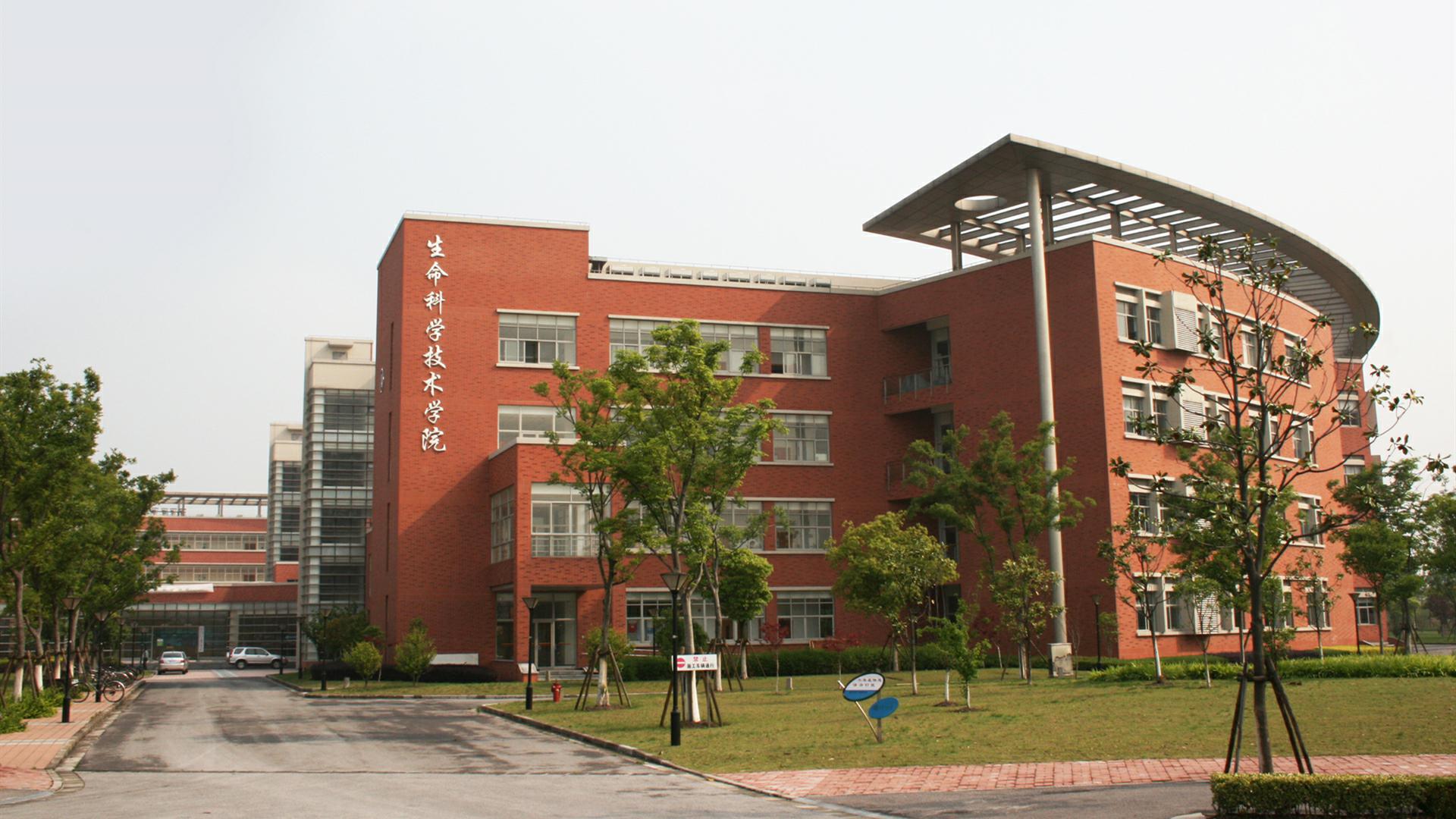
  • Nov 2025 – Present Tenure-track Associate Professor, Principal Investigator (PI), & Doctoral Supervisor School of Life Sciences and Biotechnology, Shanghai Jiao Tong University, China
  • Apr 2025 – Oct 2025 Singapore Institute of Food and Biotechnology Innovation (SIFBI) Agency for Science, Technology and Research (A*STAR), Singapore Position: Associate Senior Professional / Associate Senior Researcher (Full-time)
  • Aug 2020 – Mar 2025 Graduate Institute of Environmental Engineering National Central University, Taiwan Position: Intermediate Professional / Researcher (Full-time)
  • Oct 2018 – Jun 2020 Earth-Life Science Institute (ELSI) Institute of Science Tokyo, Japan Position: Researcher / Full-time Staff
  • Jul 2018 – Sep 2018 Department of Chemical Engineering & Applied Chemistry University of Toronto, Canada Position: Researcher / Research Assistant (Full-time)
  • Jan 2014 – Nov 2018 University of Toronto, Canada Ph.D. in Biological Engineering
  • Jul 2010 – Jul 2011 Chang Gung University, Taiwan M.Sc. in Natural Product Chemistry
  • Sep 2006 – Jun 2010 Chang Gung University, Taiwan B.Sc. in Biomedical Sciences

Research Interests

Synthesis and Regeneration of Organometallic Cofactors

Dedicated to overcoming the cost bottlenecks of expensive cofactors in the industrialization of biocatalysis. By developing chemoenzymatic one-pot reaction systems, efficient in-situ regeneration of key cofactors such as S-adenosylmethionine (SAM) has been achieved. Notably, in cobalamin-dependent (Vitamin B12) methyltransferase reactions, sustainable recycling of organometallic cofactors was successfully realized using low-cost substrates (e.g., methanol) as the driving force, significantly reducing the economic costs of biosynthesis.

Technological Development for Oxygen-Sensitive Enzymes and Microorganisms in...

Addressing the challenge where high-efficiency biocatalysts (particularly cobalamin-dependent enzymes) are prone to oxidative inactivation, this research focuses on developing innovative technologies for the stable operation of oxygen-sensitive enzymes under ambient, aerobic conditions. By designing specialized reaction pathways and protective mechanisms, reactions that previously required strictly anaerobic conditions can now be conducted in conventional environments. This significantly simplifies operational workflows and removes major barriers to the industrial application of oxygen-sensitive microorganisms and enzymatic agents.

Functional Expression and Application of Oxygen-Sensitive Enzymes

Addressing the critical challenge of oxidative inactivation in high-efficiency biocatalysts—particularly cobalamin-dependent (B12) enzymes—this research focuses on developing innovative technologies for the stable operation of oxygen-sensitive enzymes under ambient, aerobic conditions. By engineering specialized reaction pathways and protective mechanisms, the goal is to enable reactions that traditionally require strictly anaerobic conditions to be performed in conventional environments. This significantly streamlines operational workflows and removes major technical barriers to the industrialization of oxygen-sensitive microorganisms and enzymatic agents.

Selected Publications

  • •  

    Wang, P. H., Wu, T. Y., Chen, Y. L., Gicana, R. G., Lee, T. H., Chen, M. J., Hsiao, T. H., Lu, M. Y. J., Lai, Y. L., Wang, T. Y., Li, J. Y., & Chiang, Y. R. (2025). Bacterial estrogenesis without oxygen: Wood-Ljungdahl pathway likely contributed to the emergence of estrogens in the biosphere. Proceedings of the National Academy of Sciences of the United States of America, 122(10). 

    •  

    Ng, I. S., Wang, P.-H., Ting, W.-W., & Juo, J.-J. (2025). Recent progress in one-pot enzymatic synthesis and regeneration of high-value cofactors. Trends in Biotechnology, 43(2), 270-273. 

    •  

    Wang, P.-H., Chen, Y.-L., Wei, S. T.-S., Wu, K., Lee, T.-H., Wu, T.-Y., & Chiang, Y.-R. (2019). Retroconversion of estrogens into androgens by bacteria via a cobalamin-mediated methylation. Proceedings of the National Academy of Sciences of the United States of America, 117(3), 1395-1403. 

    •  

    Nishikawa, S., Yu, W. C., Chiang, Y. R., Wu, T. Y., Tang, Khusnutdinova, A., Yakunin, A., Fujishima, K., & Wang, P. H. (2025). Methanol-Driven, One-Pot Chemoenzymatic-Adenosylmethionine Regeneration for Ambient Cobalamin-Dependent Methyltransferase Reactions. ACS Catalysis, 15(15), 13689-13703. 

    •  

    Wang, K. C., Nishikawa, S., Ting, W. W., Luo, X. H., Takahashi, T., Jia, T. Z., Huang, M. H., Fujishima, K., Ng, I. S., & Wang, P. H. (2025). Sustainable chemo-enzymatic NADP(H) synthesis from biomass-derived xylose, polyphosphate, and nicotinamide. Green Chemistry, 27(22), 6437-6448. 

  • •  

    Nishikawa, S., Yu, W. C., Jia, T. Z., He, M. J., Khusnutdinova, A., Yakunin, A. F., Chiang, Y. R., Fujishima, K., & Wang, P. H. (2024). Amino Acid Self-Regenerating Cell-Free Protein Synthesis System that Feeds on PLA Plastics, CO, Ammonium, and α-Ketoglutarate. ACS Catalysis, 14(10), 7696-7706. 

    •  

    Lin, Y. H., Nishikawa, S., Jia, T. Z., Yeh, F. I., Khusnutdinova, A., Yakunin, A. F., Fujishima, K., & Wang, P. H. (2023). One-pot chemo-enzymatic synthesis and one-step recovery of length-variable long-chain polyphosphates from microalgal biomass. Green Chemistry, 25(23), 9896-9907. 

    •  

    Wang, P. H., Nishikawa, S., McGlynn, S. E., & Fujishima, K. (2023). One-Pot Synthesis of [4Fe-4S] Proteins Using a Recombinant SUF System under Aerobic Conditions. ACS Synthetic Biology, 12(10), 2887-2896. 

    •  

    Wang, P. H., Khusnutdinova, A. N., Luo, F., Xiao, J., Nemr, K., Flick, R., Brown, G., Mahadevan, R., Edwards, E. A., & Yakunin, A. F. (2018). Biosynthesis and Activity of Prenylated FMN Cofactors. Cell Chemical Biology, 25(5), 560-+. 

    •  

    Yan, J., Bi, M., Bourdon, A. K., Farmer, A. T., Wang, P.-H., Molenda, O., Quaile, A. T., Jiang, N., Yang, Y., Yin, Y., Şimşir, B., Campagna, S. R., Edwards, E. A., & Löffler, F. E. (2017). Purinyl-cobamide is a native prosthetic group of reductive dehalogenases. Nature Chemical Biology, 14(1), 8-14.


Academic Rewards

  • 2024: Full Member, Sigma Xi, The Scientific Research Honor Society, USA
  • 2023: SDGs Academic Thesis Award – Master’s Thesis Category (As Supervising Professor), Taiwan Institute for Sustainable Energy (TAISE)
  • 2018: PhD Student Discovery Award, Department of Chemical Engineering & Applied Chemistry, University of Toronto